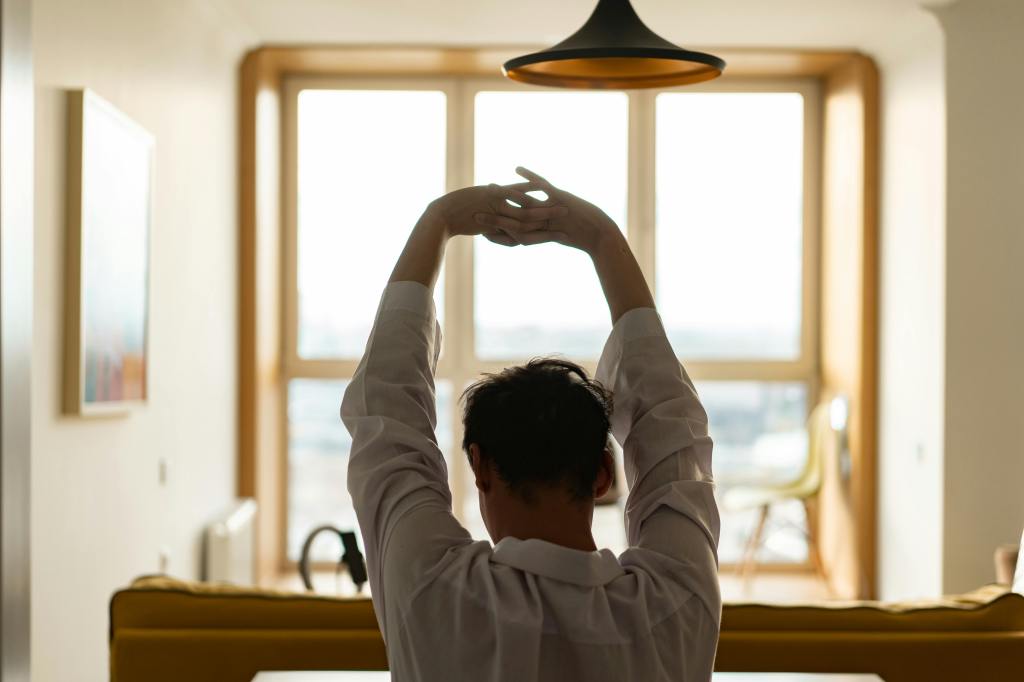
The life of a grad student is often spent buried in books and staring at screens, and taking time for movement might feel like a luxury. When days get fuller and to-do lists get longer, exercise is usually the first thing to go, sacrificed to make space for everything else. And while it may feel like we’re getting more done by trading that gym hour for three more sentences on a paper, research suggests we might actually be undermining our progress by refusing to take a break and move around.
Since you’ve probably already spent most of your day thinking about research, I won’t bore you with all the nitty-gritty details. Instead, here are the key pieces you should know:
1. Exercise improves focus and cognitive functioning
Exercise is like brain food. It helps your brain stay sharp so you can actually tackle that too-long to-do list, stay present in meetings, and lock in during deep focus sessions.
2. Movement reduces stress
And not just the kind we feel. Stress reduction from exercise also shows up physically – studies have found it can lower cortisol (our primary stress hormone), ease tension in our shoulders, and even reduce the headaches that come from hours at our desk.
3. Movement boosts mood, motivation, and mental health
Grad school often feels like an emotional rollercoaster. Movement has been shown to reduce symptoms of anxiety and low mood. While it’s not a cure-all, it can be one tool for balance. Even a slight mood lift after a walk or stretch break can change how approachable your work feels.
How to Actually Fit Movement Into Your Schedule
Enough of the reasons why – let’s talk about how we can make it happen. The benefits of exercise don’t require a perfect routine or a long workout. Short, consistent breaks are enough to make a difference. Here are a few tools I lean on:
- Brisk walks (10-15 minutes). Before or after class, between meetings, or as a mid-writing break. Short enough to fit in, long enough to reset focus.
- Stretching throughout the day. Sometimes it’s a YouTube yoga video, sometimes just standing to reach overhead for a few seconds. It makes a big difference when I’m stiff from sitting.
- Pro tip: set a reminder on your phone to stand up and stretch (even for 30 seconds) every hour or so.
- “Movement snacks.” A handful of bodyweight squats, a quick yoga flow, or even pacing during a phone call – small bursts add up.
- Link movement to existing habits. Walk while listening to a podcast (I often walk while reading my book). Try stretching while your coffee brews. Pairing habits makes them easier to keep.
None of these require special equipment, memberships, or an extra hour in your day. They’re just ways of weaving movement into the rhythm you already have.
I used to skip exercise to spend more time at my desk. What I’ve realized (and what the research supports) is that those breaks don’t take away from the work – they sustain it. A short walk can shake off brain fog, stretching can reset my posture after hours of sitting, and even a little movement can shift my mood on heavy days.
It’s not about ambitious workout goals or expensive classes. It’s about finding movement that feels good for you and learning how to fold it into your daily life. Some days you’ll have more time, some days less – and that’s okay. I still try to fit in one longer (1+ hour) workout each week as a deeper reset, but the smaller daily moves are what keep me steady.
If you’ve been cutting out exercise because it feels like an extra item on your to do list – try reframing it as part of your academic toolkit. Movement isn’t about chasing goals – it’s about sustaining the focus, energy, and resilience you need to keep going in grad school.
This week’s experiment: add one intentional movement break into your routine – something small, realistic, and repeatable. Notice how it shifts your focus, your stress, or your mood.
Thanks for reading!
I’d love to hear how you make movement work in your schedule – share your tips in the comments below. If this post resonated with you, consider giving it a like or subscribing so you don’t miss future posts. You can also share it with a friend who might also benefit from a movement break.







 Balanced Academic
Leave a comment